Human & Psychological AI Consulting

AI that works for everyone. Including the people everyone else forgets.

Adaptek combines AI engineering, behavioral science, and disability-informed accessibility design — because 95% of AI initiatives fail not because of the technology, but because of the humans who have to use it.

Disability-informed AI design
Cyberpsychology-backed adoption
WCAG 2.2 AA compliant
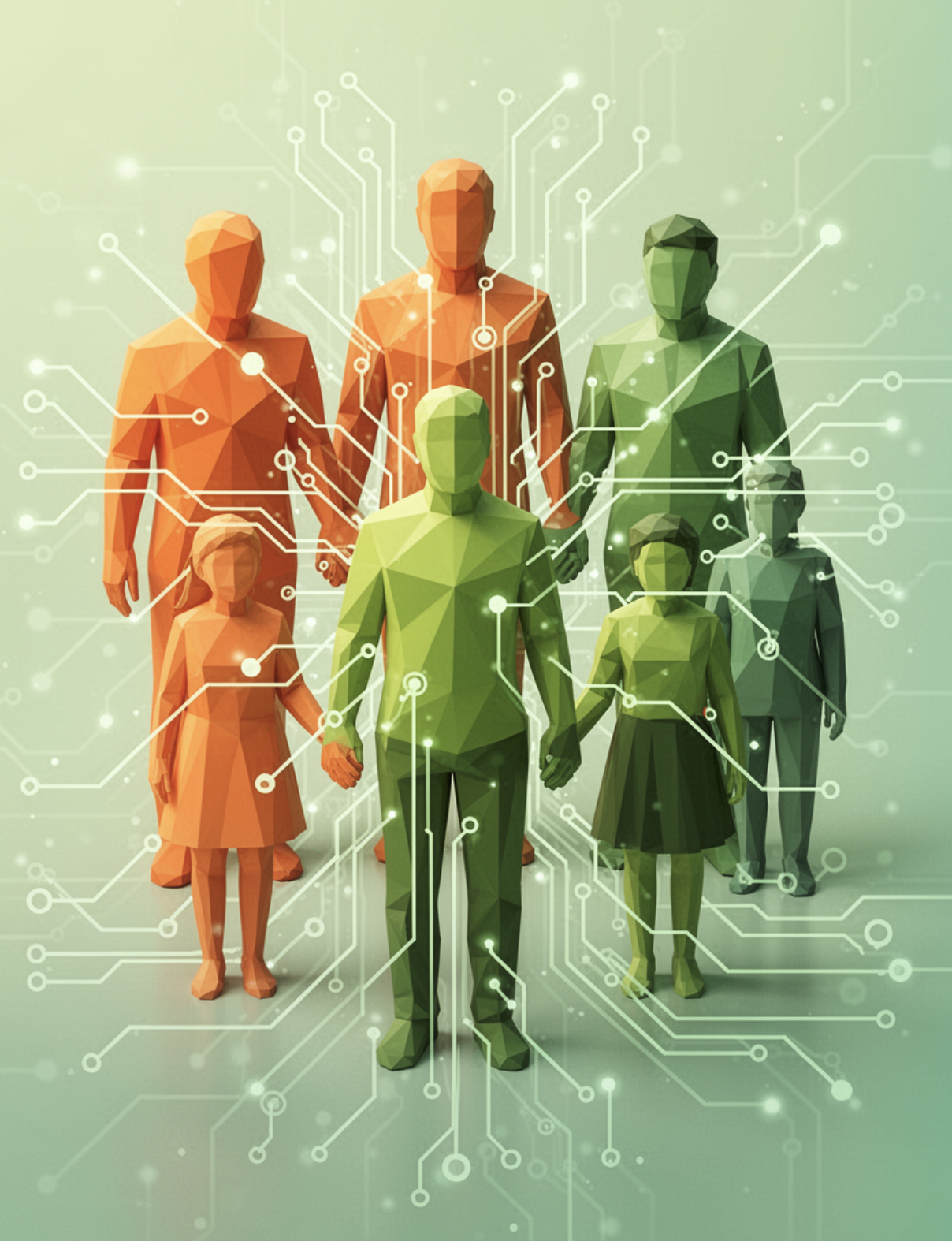
Paper-cut illustration of diverse people — including a person in a wheelchair — connected by glowing lines to AI and health symbols
The Problem

AI that fits human realities, not the other way around.

Organizations pour capital into AI deployments — tools purchased, licenses activated, infrastructure built. Yet those tools are abandoned before ROI is realized because they ignore accessibility, psychological safety, and the humans at the center.

95%

of corporate AI initiatives fail

Not because of the technology. Because of the humans who have to use it.

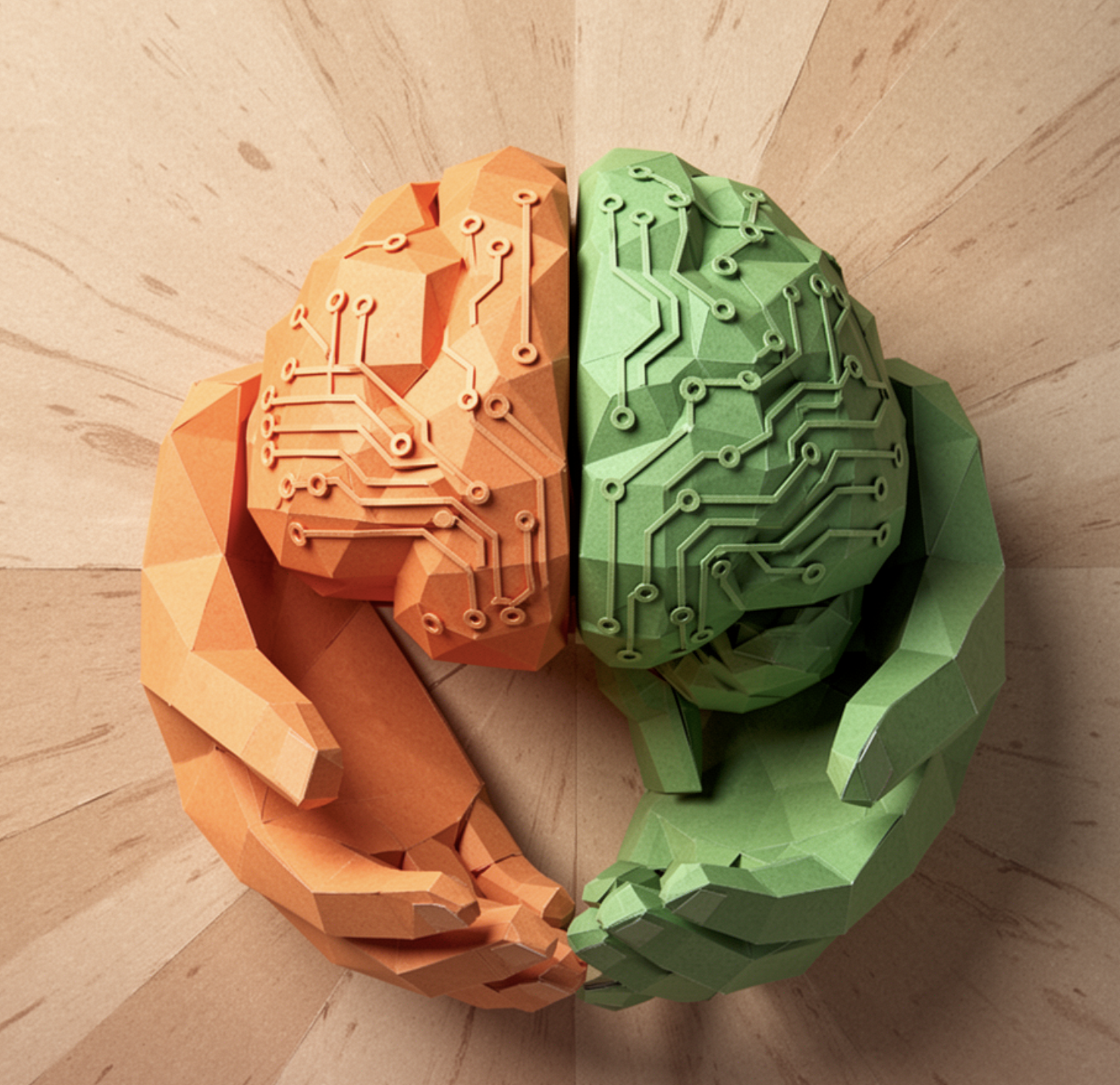
Paper-cut illustration of a dual orange and green brain with circuit patterns representing the intersection of AI engineering and human-centered design

The 6 Barriers to AI Adoption — And How We Address Them

  • Job Security Anxiety

    Employees fear replacement — actively resist, hide knowledge, and undermine rollouts.

  • Leadership Misalignment

    93% of senior AI leaders cite human factors as their #1 barrier (McKinsey 2025).

  • Cognitive Overload

    Generic training fails. Role-specific, task-integrated learning drives real adoption.

  • Culture Misalignment

    Authoritarian cultures amplify AI fear. Innovative cultures accelerate it.

  • Change Fatigue

    Without behavioral reinforcement, change reverts within 90 days.

  • Accessibility & Inclusion Gaps

    AI tools designed for the median user exclude employees and clients with disabilities — creating a two-tiered workplace where some people can use the tools and others cannot.

These barriers are especially acute in high-stakes, accessibility-sensitive environments — healthcare, disability services, and social-impact organizations.

✗ The common pattern we fix:

  • AI tools built without input from the people who use them daily
  • Adoption collapses because staff don't trust or understand the system
  • Accessibility and cognitive load ignored until after launch
  • No guardrails: hallucinations, bias, and liability risks go unmanaged
  • No boutique has ever combined deep psychology and technical expertise at this level — until now

✓ What we do differently:

  • Co-design with your staff — from clinicians to DSPs to operations teams
  • Behavioral readiness assessments grounded in our Cyberpsychology Trust Framework
  • Disability-informed design, tested with people who have lived experience
  • Responsible AI guardrails: input filtering, output validation, observability
  • Boutique depth: both founders on every engagement, no junior handoffs
Who We Serve

Built for organizations where trust, inclusion, and AI must coexist.

We work best with mission-driven teams where the stakes are human — not just financial.

  • Disability & Accessibility Organizations

    Nonprofits and service organizations deploying AI for people with I/DD — where dignity, inclusion, psychological safety, and oversight are non-negotiable.

    DSP TeamsAssistive TechnologyI/DD Support
  • Healthcare & Clinical Teams

    Hospitals, clinics, and health systems rolling out AI documentation, clinical decision support, or patient engagement tools where staff anxiety and burnout are real.

    Clinical DocumentationAI ReadinessHIPAA-aligned
  • Mid-Market AI Adoption

    Companies with 100–2,000 employees who invested in Copilot, ChatGPT Enterprise, or similar tools and need a human-centered rollout to get real, sustained adoption.

    Microsoft CopilotChange ManagementAdoption Programs
  • HR & People Teams

    People operations leaders managing workforce AI anxiety, equitable AI policy, and responsible deployment across a diverse, often resistant workforce.

    AI PolicyWorkforce EquityLeadership Training
  • Bilingual & LATAM Organizations

    Organizations serving Spanish-speaking communities or expanding across LATAM who need AI implementation delivered natively in both English and Spanish.

    EN/ES DeliveryLATAM MarketsBilingual Training
  • Behavioral Health & Social Services

    Mental health networks, social service agencies, and community health organizations embedding AI into case management, documentation, or client engagement — where client dignity, data sensitivity, and staff wellbeing are paramount.

    Case Management AIClient DignityEthical AI Guardrails
Our Services

Four service lines. One integrated team.

From your first accessibility audit to a full behavioral adoption program — we meet you where you are.

  • AI Accessibility & Inclusive Design

    AI that works for every person in your organization.

    Vanessa + Rafael

    • WCAG 2.2 accessibility audits for AI interfaces and outputs
    • Disability-informed co-design with people who have lived experience
    • Assistive technology integration and cognitive load analysis
    Starting at $3K2 – 4 weeks
  • AI Adoption & Behavioral Readiness

    Turn AI anxiety into trusted everyday tools.

    Vanessa leads · Rafael provides technical context

    • Organizational psychology assessments and culture resistance mapping
    • Change management grounded in our Human-Centered Design framework
    • Accessible AI rollouts for disability-service and clinical teams
    Starting at $5K2 – 8 weeks
  • Human-Centered AI Design & Build

    Production-grade AI built around the humans who use it.

    Rafael leads · Vanessa designs the human layer

    • RAG pipelines for clinical documentation, policies, and knowledge bases
    • Responsible AI guardrails: input filtering, output validation, observability
    • Connects to your existing systems — no rip-and-replace
    Starting at $15K4 – 12 weeks
  • Speaking, Training & Education

    Build your team's AI literacy from the inside out.

    Rafael + Vanessa co-deliver

    • AI literacy workshops and executive leadership programs
    • Keynote presentations tailored to your industry and audience
    • Programs for disability-service, healthcare, and bilingual organizations
    Starting at $2.5K1 – 4 weeks
Disability-Informed AI

The people most affected by AI are still being designed around — not with.

Most AI systems are designed for the median user — missing the 26% of U.S. adults living with a disability. Adaptek's disability-informed lens ensures AI works for everyone: the DSP who needs cognitive simplicity, the person with I/DD using an AI companion, and the clinical team managing accessibility compliance.

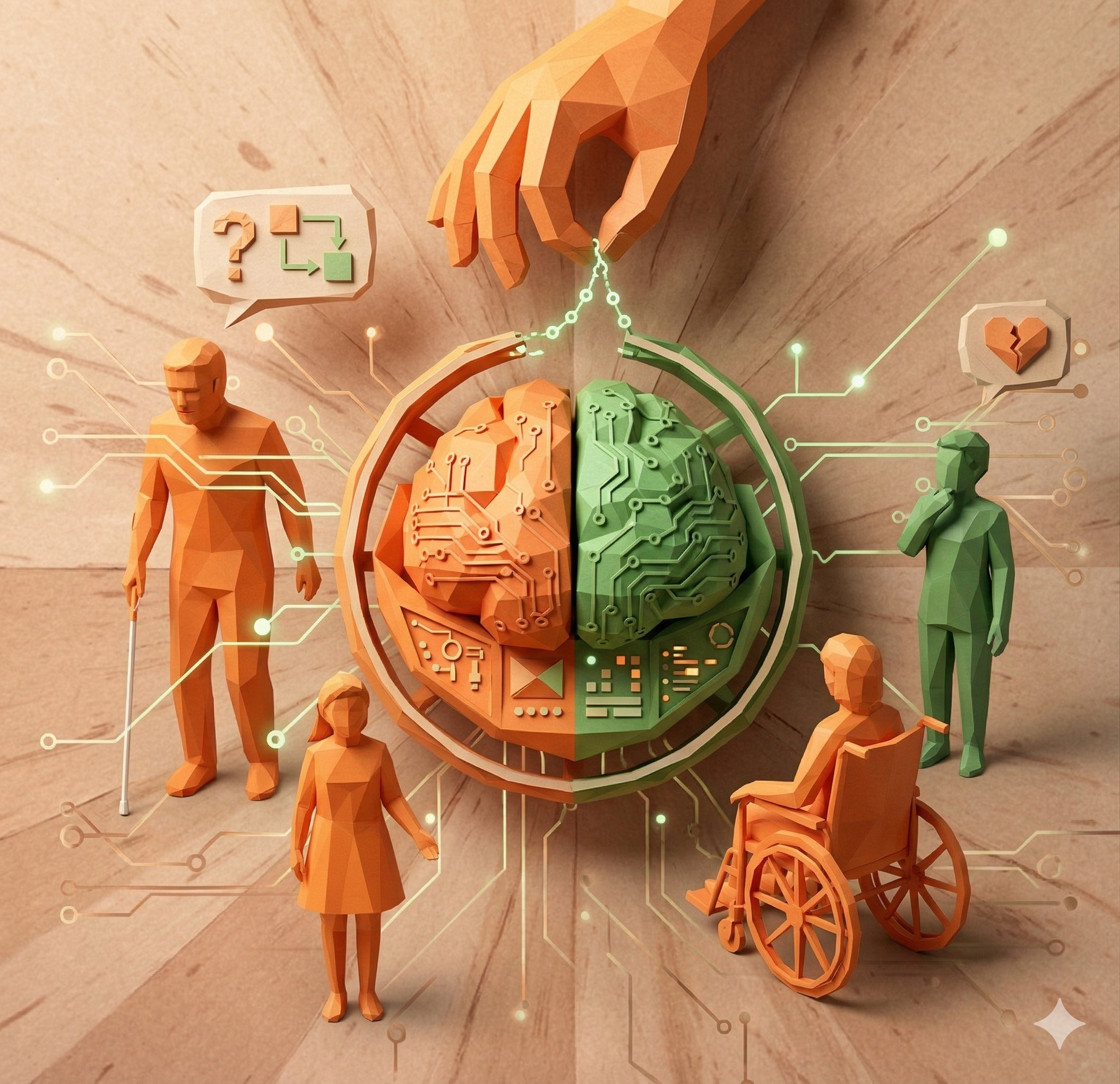
Paper-cut illustration of diverse people — including a person in a wheelchair and a person with a cane — surrounding an AI brain connected by glowing circuit lines, representing human-centered and disability-informed AI design
  • 1.3B

    people worldwide live with a disability

  • 26%

    of U.S. adults have a disability — underserved by most AI tools

  • 30%

    of issues caught by automated accessibility tools — the rest require expert review

  • Use Case · 1 of 3

    AI Independence Companion

    A dignity-first daily assistant co-designed with people with intellectual and developmental disabilities — pilotable in one program, scalable across the network.

    • Daily routine and communication support in a low-cognitive-load format
    • Strict guardrails and full transparency so families and staff can trust it
    • Person-centered: adapts to each individual's goals, abilities, and style
  • Use Case · 2 of 3

    AI Support Coach for DSPs & Clinicians

    Reducing paperwork fatigue and AI anxiety for the frontline staff who make independence possible — framing AI as a helper, not a judge.

    • Trained exclusively on organization-approved materials — not the open web
    • Converts clinical language into plain-language documentation staff can own
    • Positions AI as a supportive colleague — reducing burnout and building confidence
  • Use Case · 3 of 3

    Assistive Technology Matching at Scale

    AI-assisted intake captures goals, abilities, and environments — suggesting the right AT tools and generating tailored training plans for specialists and families.

    • AI-assisted intake and shortlist matching for AT specialists
    • Auto-generated training plans per individual, reducing specialist documentation burden
    • Feedback loop that tracks real independence outcomes over time

Accessibility is never a checkbox for us. It's lived reality — and it's the starting point for every engagement, not an afterthought.

Vanessa Echandia · Behavioral Scientist · M.S. User-Centered Design (Brandeis) · Person with MS
Case Studies

Built for organizations where the stakes are real.

This is what happens when AI is designed around the humans who use it.

  • Healthcare

    Hospital AI Readiness Program

    500-bed Massachusetts hospital · 800 clinical staff · AI clinical documentation rollout

    4-phase program: Behavioral Assessment → Leadership Training → All-Staff Rollout → Reinforcement

    • 71%

      Adoption at 6 months

      vs. 34% projected without intervention

    • 3.2

      AI Anxiety Score

      down from 6.8/10 pre-program

    • $28K

      Investment

      ROI-positive for client at Month 7

  • Mid-Market Tech

    84% Copilot Adoption in 90 Days

    300-person company · $108K/year Copilot investment · only 23% active usage at Day 60

    Culture audit + resistance mapping (3 distinct groups) · Cyberpsychology-driven workshops · internal champions network

    • 84%

      Active usage at Day 90

      up from 23% at Day 60

    • 90

      Days to result

      vs. 12-month industry average

    • $22K

      Investment

      vs. $108K license at risk of abandonment

  • Clinical Knowledge

    Healthcare Knowledge Assistant

    Regional health network · Clinical teams searching policies and protocols across 3 EHRs

    RAG pipeline on clinical documentation · Guardrails + hallucination detection · Accessibility-first UI

    • 30–40%

      Reduction in search time

      reported by clinical teams

    • 95%

      Answer accuracy rate

      on validated clinical queries

    • $180K

      Estimated annual ROI

      from time savings across teams

Our Edge

The only boutique that speaks both languages.

Most behavioral firms need a technical team to brief them. Most AI firms need a behavioral scientist to explain why adoption fails. Adaptek doesn't — because both disciplines live in the same room.

CapabilityAdaptekBig FourBoutique AI FirmsAccessibility Firms
Production-grade AI Build
Behavioral Science & Cyberpsychology
Disability-Informed Designlimited
Bilingual EN/ES Delivery
Both Founders Senior-Ledvariesvaries
Boutique Price Point

Vanessa's M.S. in User-Centered Design (Brandeis University) combined with Rafael's enterprise AI engineering background creates a structural moat no other boutique consultancy can replicate.

The Team

The only boutique where both founders speak both languages.

AI architecture and behavioral psychology — in one integrated team, at every engagement, with no junior handoffs.

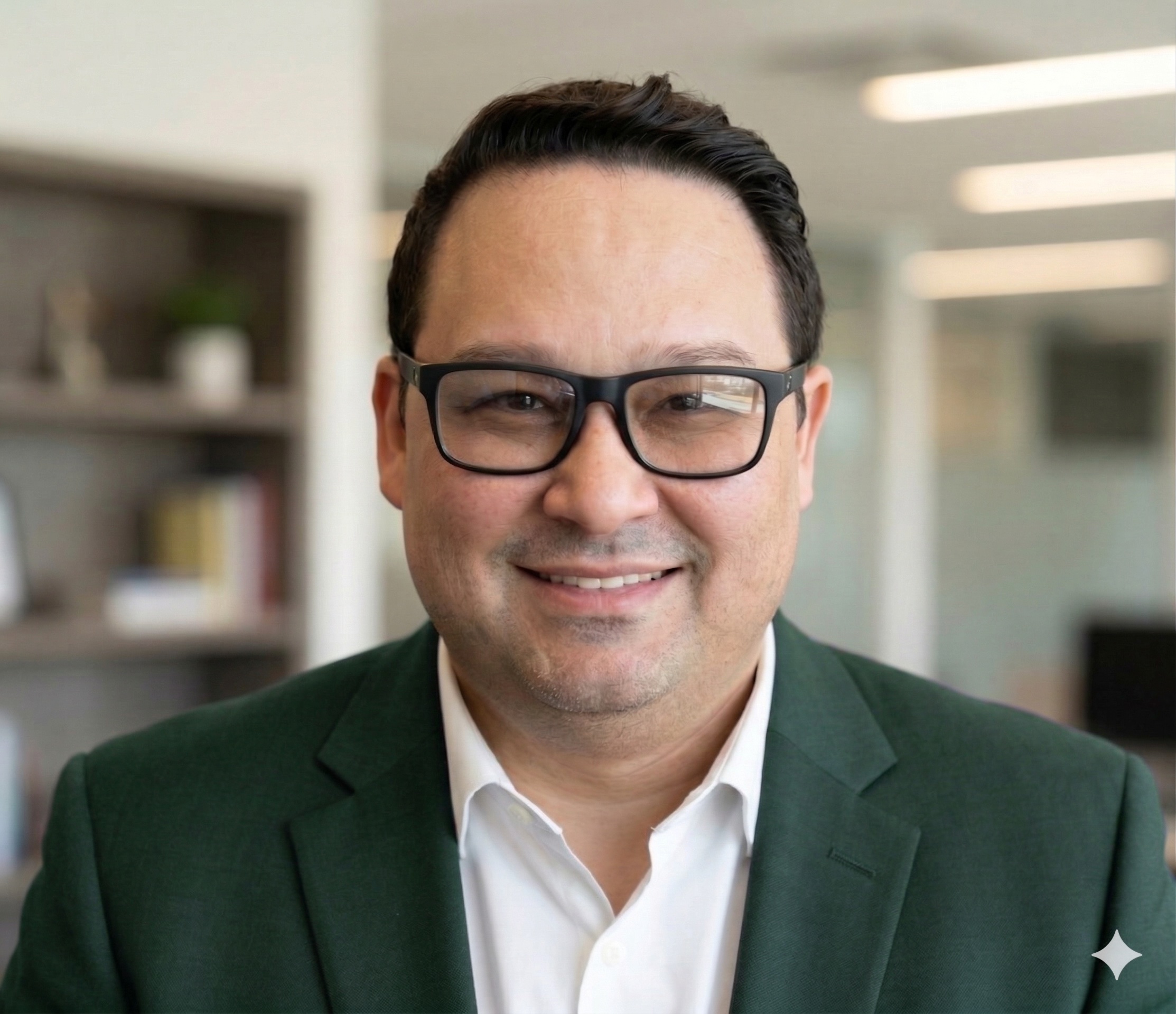
  • Portrait of Rafael Adames, Co-Founder of Adaptek

    Rafael Adames

    Co-Founder, Human-Centered AI Engineering

    Rafael brings 10+ years of enterprise AI experience including large-scale deployments at Accenture across healthcare, financial services, and operations. He explains AI architecture, risks, and limitations from the inside out — combining deep technical expertise with formal study in Human Systems Engineering (UX) at ASU to design AI that fits the people who actually use it.

    • 10+ years enterprise AI, Accenture
    • Production RAG, MLOps, Responsible AI guardrails
    • Human Systems Engineering / UX, ASU
    • Bilingual: English / Spanish
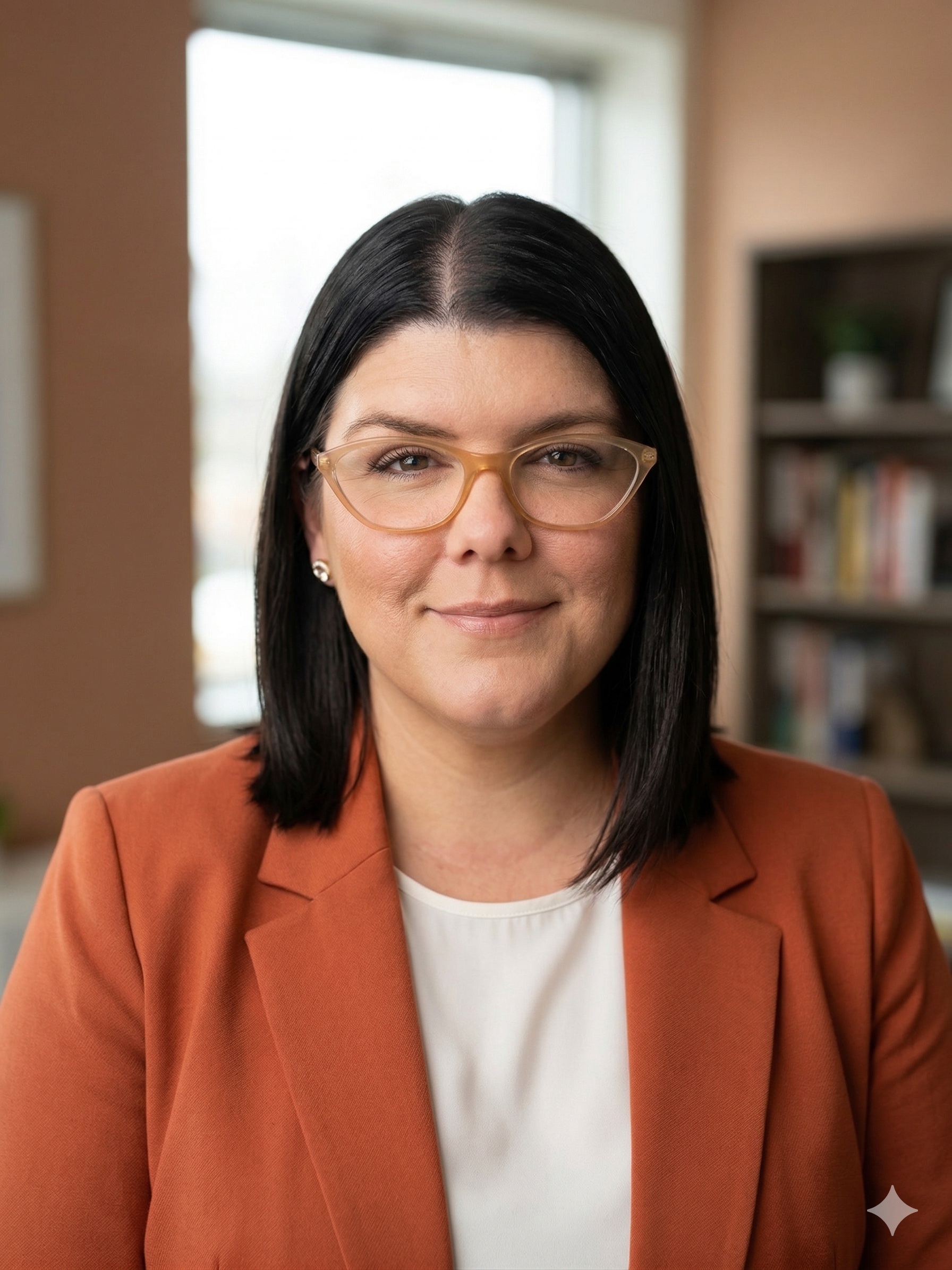
  • Portrait of Vanessa Echandia, Co-Founder of Adaptek

    Vanessa Echandia

    Co-Founder, AI Accessibility & Human Impact

    Vanessa combines an M.S. in User-Centered Design (Brandeis University) with lived experience as a person with multiple sclerosis and years of disability advocacy at the National MS Society. She brings human psychology, usability research, and inclusive design principles to every AI engagement — ensuring systems work for the people who actually have to use them.

    • M.S. User-Centered Design, Brandeis University
    • Disability advocate · National MS Society alumna · Person with MS
    • Human-centered design · Accessible behavioral change · UX research
    • Bilingual: English / Spanish

Ready to build AI that actually works for your people?

Book a free 30-minute consult. No pitch, no pressure — just an honest conversation about where human-centered AI can make a real difference.

Contact

Let's talk about your AI challenge.

Tell us about your organization and your biggest AI or accessibility challenge. We'll get back to you within one business day.